Office Cleaning in Modern Workplaces: Creating Healthier, Happier, and More Productive Spaces
Office cleaning in modern workplaces is no longer just about keeping desks tidy and floors free of dust. It plays a direct role in employee wellness, workplace productivity, brand reputation, and the overall first impression a business makes on clients and visitors. Whether you manage a small startup, a busy corporate office, a coworking space, or a professional suite, a thoughtful approach to office cleaning can transform the way people experience the workplace every day.
In today’s fast-moving business environment, expectations are higher than ever. Employees want clean shared spaces, sanitized high-touch surfaces, and air that feels fresh. Visitors notice polished reception areas, spotless meeting rooms, and well-maintained restrooms. A strong office cleaning routine supports all of this while helping businesses reduce the spread of germs, protect assets, and maintain a professional environment that reflects quality and care.
The best office cleaning strategies are built around consistency, detail, and flexibility. They combine daily upkeep with periodic deep cleaning, focus on high-traffic zones, and adapt to the specific needs of the workspace. From kitchens and break rooms to conference rooms and entryways, every area contributes to the overall impression of the office. When cleaning is done right, it becomes a quiet but powerful part of business success.
Why Office Cleaning Matters More Than Ever
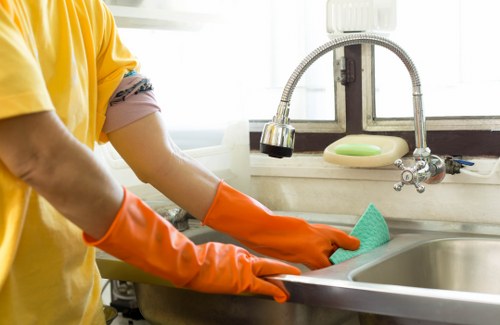
Office cleaning affects more than appearance. It influences health, morale, and even how long employees can stay focused during the workday. Dust, allergens, bacteria, and clutter can accumulate quickly in active work environments, especially in offices with shared desks, conference facilities, and frequent foot traffic. A clean office helps reduce distractions and supports a healthier atmosphere for everyone inside.
Another major reason office cleaning matters is consistency. When cleaning is irregular or incomplete, issues start to build up. Floors lose their shine, restrooms become unpleasant, and workstations can feel neglected. On the other hand, a consistent office cleaning schedule creates a sense of order and professionalism that employees and guests can immediately feel.
First impressions matter. A spotless lobby, clean glass doors, organized common areas, and fresh-smelling meeting rooms help establish trust before a conversation even begins. This is especially important for companies that host clients, partners, or job candidates. A well-cleaned office tells people the business pays attention to detail and values quality in every area.
What Professional Office Cleaning Usually Includes
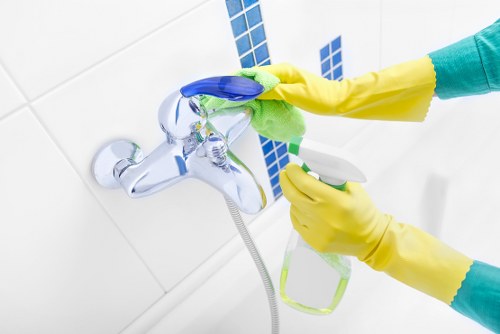
Professional office cleaning services typically cover a wide range of tasks designed to keep the workplace sanitary and presentable. While every office has unique needs, the core services often remain similar. These services are usually tailored to the size of the office, the number of employees, and the types of surfaces and equipment in use.
Common office cleaning tasks include vacuuming carpets, mopping hard floors, dusting surfaces, wiping down desks, emptying trash bins, disinfecting restrooms, cleaning kitchen areas, and sanitizing high-touch points such as door handles, elevator buttons, light switches, and shared devices. Some cleaning teams also handle interior glass cleaning, upholstery care, and detailed cleaning for conference rooms or executive spaces.
Many businesses also request specialized office cleaning based on their environment. For example, medical offices, law firms, tech spaces, and financial institutions may need different levels of care or specific cleaning products. The goal is always the same: maintain a healthy, professional workplace that supports daily operations without disruption.
Typical tasks in office cleaning
- Dusting furniture, shelves, and electronics-safe surfaces
- Vacuuming carpets and rugs
- Mopping tile, vinyl, or hardwood flooring
- Cleaning and disinfecting restrooms
- Sanitizing shared surfaces and touchpoints
- Restocking restroom and kitchen supplies
- Removing trash and recycling
Benefits of a Clean Office Environment
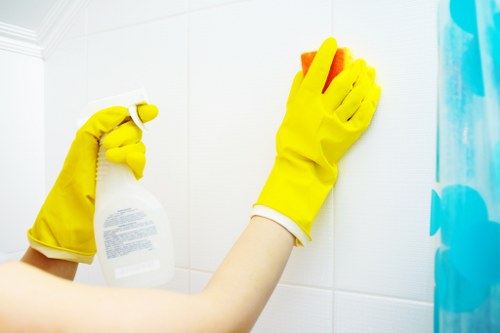
There are many practical and psychological benefits of maintaining a clean office environment. The most obvious is improved hygiene. A cleaner office helps reduce the buildup of germs on surfaces that are touched throughout the day. This can be especially important during cold and flu season or in offices with frequent visitors and shared equipment.
Productivity is another major advantage. Employees work better in spaces that are uncluttered, organized, and comfortable. A clean office makes it easier to concentrate, find supplies, and move efficiently through the workday. When staff members are not distracted by overflowing trash bins, sticky counters, or dirty break rooms, they can focus more fully on their responsibilities.
Office cleaning also supports workplace morale. People tend to take more pride in their work environment when it is cared for properly. That pride can influence behavior in positive ways, such as keeping personal desks tidier, respecting shared spaces, and cooperating with office policies. A clean environment often encourages a more respectful and professional workplace culture.
How cleanliness supports business performance
Office cleanliness is not just cosmetic. It can influence how long employees stay healthy, how confidently clients perceive the company, and how efficiently the team operates. In many cases, the return on investing in reliable office cleaning becomes visible in lower absenteeism, better staff satisfaction, and a more polished business image.
Office Cleaning and Workplace Health

One of the strongest reasons businesses invest in office cleaning is health protection. Offices contain many shared items and surfaces that can easily become hotspots for bacteria and viruses. Desks, conference tables, copier buttons, break room appliances, and restroom fixtures all require regular attention to help maintain a hygienic environment.
Cleaning and disinfecting are related but not identical. Cleaning removes dirt, dust, and debris from surfaces, while disinfecting helps reduce germs. A smart office cleaning plan should include both, especially in areas where people gather frequently. High-touch surfaces deserve special focus because they are used repeatedly throughout the day by multiple people.
Air quality also matters. Dust, pollen, and other particles can accumulate in carpets, upholstery, vents, and neglected corners. Routine office cleaning helps reduce these irritants, making the workspace more comfortable for employees who may have allergies or sensitivities. Clean air, clean surfaces, and clean restrooms all contribute to a healthier workplace overall.
Areas that need frequent attention
- Reception desks and lobby surfaces
- Shared meeting tables and chairs
- Kitchen counters, sinks, and appliances
- Restroom fixtures and stalls
- Printer stations and copy areas
- Conference room remotes, screens, and controls
- Door handles, switches, and elevator buttons
How Often Should Office Cleaning Be Done?

The right cleaning frequency depends on the size and activity level of the office. Some spaces need daily attention, while others can follow a less frequent schedule with periodic deep cleaning. High-traffic offices generally benefit from daily office cleaning, especially in restrooms, kitchens, and shared work zones. Smaller offices may only need limited services several times a week, but they still need routine care to remain presentable and sanitary.
Many businesses use a layered approach. Basic tasks such as trash removal, restroom cleaning, and surface wiping are performed daily or several times per week. More detailed work like floor polishing, carpet extraction, and deep sanitization may happen weekly, monthly, or quarterly. This combination helps the office stay clean consistently without overlooking deeper maintenance needs.
To determine the best schedule, consider foot traffic, office size, the number of shared spaces, client visits, and industry requirements. A busy customer-facing office will usually need more frequent office cleaning than a small back-office operation. The key is to build a schedule that matches real usage rather than relying on guesswork.
Signs your office needs more frequent cleaning
- Dust appears quickly after surfaces are cleaned
- Restrooms or kitchens lose freshness during the day
- Trash bins fill up before the workday ends
- Employees complain about clutter or odors
- Visitors notice fingerprints, streaks, or smudges
Office Cleaning Challenges in Busy Workplaces
Every workplace has its own cleaning challenges, and busy offices often face the most demanding conditions. Shared desks, open-plan layouts, and constant movement can make it difficult to maintain order. Offices with flexible seating may also require more frequent disinfection because different people use the same workspace throughout the week.
Another common challenge is balancing cleaning with business operations. Office cleaning should be effective without disrupting meetings, calls, or employee focus. That is why many companies prefer after-hours cleaning or early-morning service. These schedules allow cleaning teams to complete tasks thoroughly while minimizing interruptions to the workday.
Some offices also struggle with mixed surface types. Carpet, tile, glass, wood, stainless steel, and electronics all require different care methods. Using the wrong product or technique can damage materials or leave behind residue. Professional office cleaning teams understand how to handle these variations safely and efficiently.
Common problem areas
- Cluttered desks and shared workstations
- Smudged glass doors and partitions
- Overused kitchen areas
- Restrooms with high turnover
- Dust buildup in vents, corners, and blinds
Choosing the Right Office Cleaning Approach
Choosing the right office cleaning approach starts with understanding the unique needs of the workplace. A small office with a few staff members may need a straightforward routine focused on tidiness and sanitation. A larger building with multiple departments, conference facilities, and customer-facing areas may require a more detailed cleaning plan with multiple service levels.
It is also helpful to decide whether the office should be cleaned internally, externally, or through a combination of both. Some businesses assign light cleaning responsibilities to in-house staff and rely on professional office cleaning for more detailed or specialized work. Others prefer a fully outsourced service that handles everything from daily upkeep to deep cleaning.
The best approach is the one that matches your environment, budget, and expectations. What matters most is creating a routine that is consistent, reliable, and easy to maintain over time. A customized plan will always perform better than a generic one-size-fits-all solution.
Factors to consider
- Number of employees and daily visitors
- Type of flooring and furniture
- Presence of shared workstations
- Industry-specific hygiene needs
- Cleaning frequency and timing preferences
- Need for deep cleaning or specialty services
Office Cleaning Best Practices for Lasting Results
Long-lasting cleanliness comes from more than occasional tidying. It requires smart habits, clear expectations, and regular attention to detail. One of the most effective best practices is to establish a cleaning checklist for each area of the office. This makes it easier to ensure nothing gets overlooked and allows cleaning teams to stay consistent from one visit to the next.
Another strong practice is encouraging employees to maintain basic organization at their own workstations. While professional office cleaning handles the bigger tasks, employees can support the process by clearing personal clutter, storing food properly, and keeping shared spaces neat. This partnership helps the office stay clean for longer periods and makes each cleaning visit more effective.
It is also important to use the right products and equipment. Microfiber cloths, commercial vacuums, floor-safe cleaners, and appropriate disinfectants can make a major difference in results. Green cleaning products may also be a smart option for businesses that want to reduce chemical exposure and support sustainability goals. Many offices now prefer eco-conscious office cleaning solutions that are both effective and environmentally responsible.
Best practices to follow
- Create a room-by-room cleaning checklist
- Focus on high-touch surfaces every day
- Schedule deep cleaning regularly
- Use products suited to each surface
- Keep cleaning supplies organized and accessible
- Track recurring problem areas and address them early
The Role of Office Cleaning in Client Perception
Clients often judge a business by the condition of its environment before they judge it by its services. A clean office communicates competence, reliability, and professionalism. On the other hand, a poorly maintained space can create doubt, even if the company’s actual work is excellent. This is why office cleaning is closely linked to reputation management.
Reception areas deserve special attention because they set the tone for every visit. When entryways, seating areas, and restrooms are clean and welcoming, visitors are more likely to feel comfortable and confident in the business. Conference rooms matter just as much because they are where decisions are made, presentations are delivered, and relationships are built.
For many businesses, office cleaning is part of brand presentation. It supports the message that the company is organized, trustworthy, and attentive to detail. When a workplace looks well cared for, it becomes easier for clients to imagine that the same level of care is reflected in the company’s products or services.
Deep Cleaning vs Regular Office Cleaning
Regular office cleaning covers the day-to-day tasks that keep a workplace usable and tidy. Deep cleaning goes further by addressing built-up dirt, hidden dust, and areas that are not part of the normal routine. Both are important, but they serve different purposes. Regular cleaning keeps the office presentable, while deep cleaning restores freshness and helps preserve materials over time.
Deep cleaning may include carpet shampooing, floor stripping and waxing, detailed dust removal, sanitation of vents and baseboards, and intensive restroom or kitchen cleaning. It is especially useful before major events, after seasonal changes, or when an office has gone too long without a thorough service. Offices with heavy traffic often benefit from scheduled deep cleaning to prevent long-term wear.
Businesses that rely only on surface-level cleaning often miss the buildup that eventually affects appearance and hygiene. A strong office cleaning strategy should therefore include both regular maintenance and periodic deep service. Together, they create a cleaner, more stable environment that is easier to manage year-round.
When to schedule deep cleaning
- Before or after major office events
- At the start of a new season
- After renovation or construction work
- When carpet or upholstery shows visible buildup
- When restrooms or break rooms need extra attention
Office Cleaning for Different Types of Workspaces
Not every workplace has the same cleaning needs. A law office, a tech startup, a medical admin suite, and a real estate agency may all require different office cleaning priorities. The layout, traffic level, and type of work all influence what should be cleaned most often and how detailed the process needs to be.
Open-plan offices often need extra attention in shared desk areas and common zones, while traditional offices may focus more on conference rooms, private offices, and waiting areas. Coworking spaces usually require frequent disinfection because many different people use the same desks and amenities. Executive suites may emphasize presentation, while back-office spaces may prioritize efficiency and basic sanitation.
Customization is essential. When office cleaning is adjusted to the actual use of the space, it becomes more effective and more cost-efficient. Tailored cleaning can reduce waste, improve results, and ensure that the most important areas receive the right level of care.
Examples of workspace-specific needs
- Corporate offices: polished public areas and detailed conference room care
- Medical offices: enhanced sanitation and strict hygiene focus
- Coworking spaces: frequent disinfection of shared desks and amenities
- Creative studios: dust control and flexible space management
- Professional suites: consistent presentation and guest-ready cleanliness
Why Businesses Choose Professional Office Cleaning
Many businesses choose professional office cleaning because it offers reliability, expertise, and efficiency. Trained cleaning teams know how to handle different surfaces, products, and cleaning challenges without causing damage. They also work from structured routines that help ensure no important task is missed.
Professional office cleaning can also save time for internal staff. Instead of asking employees to take on cleaning responsibilities that distract from their actual jobs, businesses can delegate those duties to specialists. This often results in better quality cleaning and a smoother workflow for the entire organization.
Another advantage is scalability. As a company grows, its cleaning needs usually become more complex. A professional service can adapt to new rooms, higher foot traffic, changing schedules, and specialized requirements. That flexibility makes it easier to maintain consistency as the business evolves.
Final Thoughts on Office Cleaning in Today’s Workplace
Office cleaning in today’s workplace is an essential part of running a successful business. It supports health, productivity, professionalism, and client confidence while helping create a space where people can do their best work. From daily upkeep to deep cleaning, each part of the process contributes to a better workplace experience.
Businesses that invest in consistent office cleaning are making a smart decision for both people and performance. A clean office is easier to manage, more pleasant to work in, and more likely to leave a positive impression on everyone who enters. That value extends far beyond appearances and becomes part of the company’s everyday culture.
If your workplace needs a smarter, more reliable cleaning routine, now is the time to act. Contact us today to explore options that fit your office needs, or book your service now to keep your space fresh, professional, and ready for business. Clean offices create strong impressions, and strong impressions help businesses grow.
Choose office cleaning that supports your team, protects your environment, and keeps your business looking its best.