Domestic Cleaning: A Practical, Professional Approach to a Cleaner Home
Why Domestic Cleaning Matters in Everyday Life
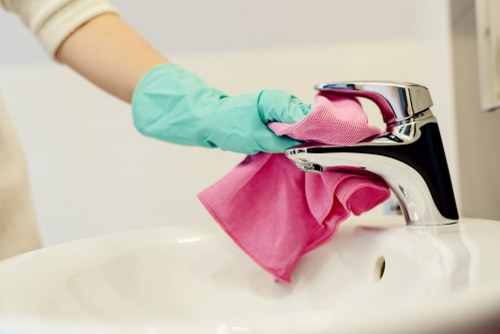
Domestic cleaning is more than a routine task; it is an essential part of maintaining a healthy, comfortable, and welcoming home. Whether you live alone, share a family household, or manage a busy property, regular domestic cleaning helps reduce dust, remove allergens, control clutter, and create a more enjoyable living environment. For many households, the difference between a stressful day and a peaceful evening often starts with the condition of the space around them.
When domestic cleaning is done consistently, it supports better hygiene and makes daily living smoother. A clean kitchen is easier to use, a tidy bathroom feels fresher, and a dust-free living room is simply more relaxing. Beyond appearance, proper domestic cleaning can also protect furniture, flooring, appliances, and other surfaces from long-term wear. In other words, investing time and effort into home cleaning can save money and stress over time.
Many people also value domestic cleaning because of its impact on mental well-being. A cluttered, dirty environment can make it harder to focus and relax, while an organized home often feels calmer and more functional. That is why domestic cleaning is often seen not as a luxury, but as a practical necessity that supports modern lifestyles.
Understanding What Domestic Cleaning Includes
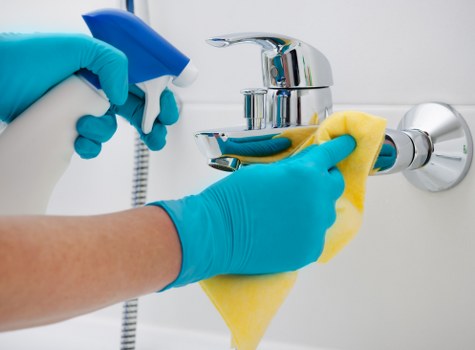
Domestic cleaning covers a wide range of household tasks designed to keep every room in good condition. These tasks may be completed daily, weekly, or on a deeper seasonal schedule, depending on the needs of the property. The main goal is to ensure that all areas of the home remain sanitary, orderly, and pleasant to use.
Typical domestic cleaning tasks often include vacuuming, sweeping, mopping, dusting, wiping surfaces, disinfecting high-touch areas, cleaning bathrooms, and maintaining kitchen spaces. It may also include laundry support, bed changing, bin emptying, and organization tasks. Some households prefer basic maintenance cleaning, while others require a more detailed service to handle accumulated dirt and grime.
Domestic cleaning can be tailored to suit different homes and routines. For example, a small apartment may need a lighter cleaning schedule, while a larger family home may benefit from more frequent attention. The flexibility of domestic cleaning makes it suitable for a broad range of people, from busy professionals to families with children, older adults, and landlords preparing a property for new occupants.
Common Areas Covered in Home Cleaning
- Bedrooms and living rooms
- Bathrooms and toilets
- Kitchens and dining areas
- Hallways, stairs, and entryways
- Utility rooms and storage spaces
Benefits of Regular Domestic Cleaning
One of the biggest benefits of domestic cleaning is improved hygiene. Dust, bacteria, mold, and allergens can build up quickly if a home is not cleaned regularly. This can affect people with allergies, asthma, or other respiratory conditions. A consistent cleaning routine helps reduce these risks and creates a healthier indoor environment for everyone.
Another major benefit is the visual and practical comfort of a well-kept home. Clean surfaces, fresh floors, and organized rooms make everyday tasks easier. Cooking becomes more enjoyable in a clean kitchen, bathing feels more pleasant in a spotless bathroom, and spending time in a neat living area can help the whole household feel more at ease. Domestic cleaning also makes hosting guests less stressful because the home is already presentable.
There is also a financial advantage to keeping up with domestic cleaning. Regular care can extend the lifespan of carpets, upholstery, appliances, and fixtures by preventing buildup and damage. For example, wiping kitchen spills quickly can protect cabinets, and frequent vacuuming can help preserve carpet fibers. Routine home cleaning is therefore a smart form of maintenance, not just a cosmetic habit.
Why consistency matters
Small, regular cleaning actions are easier to manage than large, occasional deep cleans. Consistency reduces the chance of dirt becoming embedded and helps prevent unpleasant odors, stains, or hard-to-remove buildup. It also keeps the home more stable and easier to maintain over time.
Domestic Cleaning Tasks Room by Room
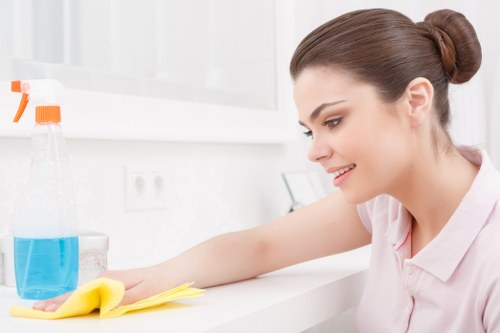
Different rooms require different cleaning methods, tools, and priorities. A thoughtful domestic cleaning routine takes these differences into account so that each area gets the attention it needs. Breaking cleaning into room-specific tasks is one of the easiest ways to stay organized and avoid overlooking important details.
In the kitchen, domestic cleaning usually focuses on worktops, sinks, stovetops, splashbacks, cupboard doors, and floors. Because the kitchen is a high-use area, grease and food residue can quickly build up. Kitchen cleaning should also include sanitizing handles, wiping appliances, and cleaning the bin area. These steps are especially important in homes where meals are prepared daily.
Bathrooms require careful attention to hygiene. Domestic cleaning in bathrooms generally includes disinfecting toilets, cleaning sinks, polishing taps, scrubbing showers or baths, and removing soap residue. Floors and mirrors also benefit from regular care. Since bathrooms are moist environments, they can become a breeding ground for mold and mildew if ignored. That makes bathroom cleaning one of the most essential parts of home maintenance.
Bedroom and living area cleaning priorities
- Dust furniture, shelves, and décor items
- Vacuum carpets or mop hard floors
- Change bedding regularly
- Wipe light switches and handles
- Declutter surfaces to improve airflow and space
Deep Domestic Cleaning vs Routine Cleaning
Routine domestic cleaning is designed to keep a home in good shape from week to week. Deep cleaning, on the other hand, goes beyond visible surfaces and addresses the areas that are easy to miss in daily life. Both are important, but they serve different purposes. Understanding the difference helps homeowners choose the right approach for their needs.
Routine cleaning usually includes quick, repeated tasks such as vacuuming, wiping counters, and tidying common spaces. Deep domestic cleaning is more intensive and may include scrubbing grout, cleaning behind appliances, washing skirting boards, removing limescale, and reaching forgotten corners. It is often done less frequently, such as every few months or during spring cleaning periods.
Deep cleaning services are particularly useful before moving in or out of a property, after renovations, or when a home has not been maintained regularly. They can also be beneficial for households preparing for special occasions or seasonal refreshes. While routine cleaning keeps things under control, deep cleaning restores a higher standard of cleanliness that is often harder to achieve through everyday tasks alone.
Signs your home may need deep cleaning
- Persistent odors
- Visible grime on fixtures or grout
- Dust accumulation in corners and vents
- Stains on carpets or upholstery
- Grease or residue around kitchen appliances
How to Build an Effective Domestic Cleaning Routine
A successful domestic cleaning routine does not have to be complicated. In fact, the best routines are often the ones that are simple enough to maintain. Creating a schedule based on the size of the home, the number of occupants, and the level of daily use can make cleaning feel manageable rather than overwhelming. A strong routine is built on regularity, prioritization, and realistic expectations.
Start by dividing tasks into daily, weekly, and monthly categories. Daily tasks may include washing dishes, wiping kitchen surfaces, making beds, and keeping entryways tidy. Weekly tasks might include vacuuming, mopping, cleaning bathrooms, and dusting furniture. Monthly or seasonal tasks can include washing windows, cleaning inside cabinets, and refreshing soft furnishings. This structure makes domestic cleaning easier to plan and execute.
It also helps to clean from top to bottom and from one side of a room to the other. This method prevents dust and debris from falling onto already cleaned areas. Efficient home cleaning is often about using the right order, the right tools, and a method that saves time. The more organized the process, the more likely it is to become a lasting habit.
Simple routine template
- Daily: dishes, countertops, quick tidying, surface wipe-downs
- Weekly: floors, bathrooms, dusting, rubbish removal
- Monthly: appliances, skirting boards, high shelves, deep dusting
- Seasonal: windows, upholstery, storage areas, intensive decluttering
Tools and Products That Improve Domestic Cleaning Results
Using the right tools can make domestic cleaning faster, safer, and more effective. Basic equipment such as microfiber cloths, mops, vacuum cleaners, scrub brushes, and spray bottles can handle most household tasks. Microfiber is especially useful because it traps dust effectively and works well on many surfaces without leaving streaks.
Choosing cleaning products carefully is also important. Some homes benefit from multipurpose cleaners, while others may need specialized products for glass, bathrooms, wood, or stainless steel. It is best to read labels and follow instructions so that surfaces are not damaged. Safe cleaning practices matter just as much as strong results, particularly in homes with children or pets.
For a more eco-friendly approach, many households use reusable cloths, diluted natural solutions, and reduced-packaging products. Eco-conscious domestic cleaning can be effective while also minimizing waste. Vinegar, baking soda, and mild soap are often used for specific tasks, although it is important to ensure they are suitable for the material being cleaned. A balanced product selection helps deliver reliable results without unnecessary harshness.
Helpful tools for better cleaning
- Microfiber cloths
- Vacuum with attachments
- Mop and bucket
- Scrub sponge and brush set
- Disinfectant spray
- Glass cleaner
- Protective gloves
Domestic Cleaning for Busy Households
Busy households often face a unique challenge: the home needs attention, but time is limited. Families with children, professionals working long hours, and households with multiple schedules may struggle to keep up with regular home cleaning. In these situations, domestic cleaning needs to be especially practical and adaptable.
One effective strategy is to focus on high-traffic areas first. The kitchen, bathrooms, living room, and hallway usually require the most frequent attention because they are used constantly. Prioritizing these spaces helps the home remain comfortable even when time is short. Small daily actions, such as wiping surfaces after use and putting items away immediately, also make a major difference.
Time-saving domestic cleaning is often about habits rather than long cleaning sessions. A few minutes of tidying in the morning, a quick floor vacuum in the evening, and a weekly reset can prevent chores from piling up. Families may also assign age-appropriate tasks to children, helping everyone contribute to a cleaner, more organized home.
Practical time-saving tips
- Keep cleaning supplies in the rooms where they are used most
- Use a timer to focus on one task at a time
- Clean as you go during cooking and washing up
- Store items in labeled baskets or containers
- Share responsibilities among household members
Seasonal Domestic Cleaning and Home Refreshing
Seasonal changes often provide the perfect opportunity to refresh the home. Domestic cleaning routines can be adjusted at different times of year to respond to weather, allergies, holidays, and lifestyle shifts. Spring and autumn are especially popular periods for deeper cleaning because people are more likely to open windows, reorganize rooms, and prepare for changing temperatures.
Seasonal domestic cleaning may include washing curtains, cleaning radiators, refreshing storage spaces, rotating bedding, and decluttering wardrobes. It is also a good time to inspect overlooked areas like behind furniture, under beds, and inside cupboards. These tasks can reveal items that need repairing, replacing, or reorganizing.
Many households find that seasonal cleaning creates a sense of renewal. A cleaner environment can support better habits and make the home feel more spacious. Seasonal home cleaning is also useful before holidays, family gatherings, or major events when the house needs to look and feel its best. When approached with a plan, these larger tasks become manageable and rewarding.
Seasonal checklist ideas
- Wash windows and frames
- Clean curtains or blinds
- Declutter wardrobes and storage boxes
- Refresh carpets and upholstery
- Deep-clean kitchen and bathroom fixtures
Domestic Cleaning and Healthier Indoor Living
The connection between domestic cleaning and health is often underestimated. Dust, pet dander, pollen, and microscopic particles accumulate in homes over time, especially if ventilation is limited. Regular cleaning reduces these contaminants and helps create a healthier indoor living environment. This is particularly important for people with allergies, asthma, or weakened immune systems.
Kitchen and bathroom cleanliness also plays a major role in preventing the spread of germs. By disinfecting high-touch surfaces such as handles, switches, taps, and remote controls, domestic cleaning supports overall household hygiene. Clean floors and surfaces reduce the chance of mess spreading from one room to another. In this way, cleaning is not only about appearance; it is a meaningful part of preventive home care.
Good indoor hygiene starts with small habits that are repeated consistently. Opening windows when possible, removing rubbish regularly, and avoiding prolonged buildup of damp or food residue all support healthier living conditions. Domestic cleaning therefore contributes to both comfort and well-being in everyday life.
Health-related benefits of a cleaner home
- Reduced dust and allergens
- Better air quality
- Lower risk of mold and mildew buildup
- Improved kitchen and bathroom hygiene
- More comfortable living spaces
When to Consider Professional Domestic Cleaning
While many people handle home cleaning themselves, there are times when professional domestic cleaning can be a valuable solution. Life events, physical limitations, demanding schedules, or larger cleaning challenges may make outside help the most practical option. Professional support can also provide a higher level of detail for homes that need extra attention.
Professional domestic cleaning may be especially helpful after renovations, before moving, after a long period of neglect, or when preparing a property for guests or new occupants. It can also be useful for households that want regular maintenance without taking time away from work, family, or personal commitments. A trained cleaner can often work more efficiently and reach areas that are easily missed during rushed routines.
Professional home cleaning is not only about convenience; it is about maintaining a consistently high standard. Many households choose scheduled visits so that their home remains clean without the stress of constant catch-up cleaning. For people with packed routines, this can be the difference between a home that always feels under control and one that always feels like a chore.
Situations where professional support helps most
- After a move or renovation
- During busy work periods
- For deep or specialist cleaning needs
- When physical strain makes cleaning difficult
- To keep a consistently high standard throughout the home
Making Domestic Cleaning Easier and More Sustainable
Domestic cleaning becomes much easier when the home is set up to support good habits. Simple choices such as reducing clutter, using storage solutions, and keeping frequently used items accessible can reduce the amount of cleaning needed overall. The less clutter there is on surfaces and floors, the simpler it becomes to clean effectively.
Sustainability is another important factor. Many homeowners now want domestic cleaning methods that reduce waste and lower environmental impact. Refillable bottles, reusable cloths, efficient appliances, and concentrated products can help reduce single-use plastic and unnecessary consumption. Choosing better habits does not mean compromising on cleanliness; it means cleaning more thoughtfully.
It is also worth remembering that domestic cleaning does not have to be perfect to be effective. A realistic standard is usually more sustainable than an impossible one. Balanced cleaning routines support long-term consistency, and consistency is what creates a truly clean home. If the process feels manageable, it is far more likely to become part of everyday life.
Habits that support long-term cleanliness
- Put items away after use
- Clean small spills immediately
- Empty bins before they overflow
- Declutter on a regular basis
- Use a simple cleaning schedule
Final Thoughts on Domestic Cleaning
Domestic cleaning is a vital part of home life, supporting hygiene, comfort, organization, and peace of mind. From daily tidying to seasonal deep cleaning, every effort contributes to a more pleasant and functional living space. Whether you prefer to manage cleaning yourself or seek professional support, the goal remains the same: a home that feels healthy, welcoming, and well cared for.
When approached with planning and consistency, domestic cleaning becomes much less overwhelming. Small steps add up, and a thoughtful routine can make a noticeable difference in the way a home looks and feels. The result is not just a cleaner property, but a better everyday experience for everyone who lives there.
If you want a cleaner, fresher, and more manageable home environment, now is the right time to take action. Contact us today to explore the right domestic cleaning approach for your needs, or book your service now to enjoy a home that feels cleaner from the very first visit.