Commercial Cleaning in Modern Business Spaces: Why It Matters and How to Do It Right
Commercial cleaning plays a much bigger role in business success than many people realize. In offices, retail stores, warehouses, healthcare facilities, schools, and hospitality venues, cleanliness directly affects health, safety, productivity, and customer perception. A well-maintained workspace is not just visually appealing; it also supports compliance, reduces the spread of germs, and helps create an environment where employees and visitors feel comfortable.
In today’s competitive market, businesses are increasingly investing in professional commercial cleaning services to protect their assets and maintain a polished image. Whether the goal is to keep a small office spotless or manage the cleaning needs of a large multi-site organization, the right cleaning plan can make a measurable difference. From daily upkeep to specialized sanitation, commercial cleaning is about more than wiping surfaces—it is about building a healthier and more efficient operation.
As expectations for cleanliness continue to rise, companies need service strategies that are reliable, flexible, and tailored to their industry. Commercial cleaning is no longer an optional add-on; it is a core part of facility management. Businesses that invest in high-quality cleaning support often see better employee morale, stronger customer confidence, and fewer interruptions caused by preventable hygiene issues.
What Commercial Cleaning Includes
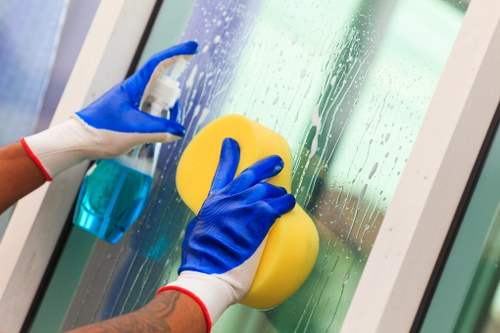
Commercial cleaning refers to the professional cleaning of business and institutional environments. Unlike basic household cleaning, it involves larger spaces, specialized equipment, strict procedures, and often more demanding schedules. The scope can range from routine dusting and vacuuming to deep cleaning, sanitizing, floor care, and waste management. Every workplace has different needs, so commercial cleaning services are typically customized to match the building type, usage level, and industry requirements.
Most businesses rely on a combination of routine and periodic tasks. Daily services may include restocking supplies, cleaning restrooms, emptying bins, and disinfecting high-touch areas. Weekly or monthly tasks may involve carpet cleaning, floor polishing, window washing, and restroom deep sanitization. In some industries, such as healthcare or food service, cleaning schedules may be more intensive and require stricter standards.
Commercial cleaning also covers a broad range of environments. Offices may need simple maintenance and sanitation, while warehouses may require dust control, machine-area cleaning, and safety-focused floor care. Retail spaces often need polished surfaces and spotless entryways to create a welcoming customer experience. Professional commercial cleaning adapts to all these settings with systems that improve consistency and quality.
Why Commercial Cleaning Is Essential for Businesses

A clean workplace is closely tied to business performance. When employees work in a tidy and sanitized environment, they are less likely to be distracted by clutter or sickened by germs. This can support better attendance, higher morale, and stronger productivity. Clean facilities also reduce the spread of bacteria and viruses, which is especially important in shared spaces such as break rooms, meeting rooms, restrooms, and reception areas.
Commercial cleaning also supports your brand image. Clients, partners, and visitors often form an opinion about a business within minutes of entering the premises. Smudged glass, dusty furniture, stained carpets, or unpleasant odors can create a negative impression even if the business itself offers excellent products or services. A well-maintained environment sends the message that the company is organized, attentive, and professional.
There are also financial benefits. Preventive maintenance through cleaning can extend the life of flooring, upholstery, fixtures, and equipment. Dirt, grime, and moisture can damage surfaces over time, leading to costly repairs or replacements. By investing in commercial cleaning services, businesses can protect their assets and lower long-term maintenance expenses.
In addition, many industries must follow health, safety, or regulatory requirements. Proper sanitation practices can help businesses avoid fines, reduce liabilities, and maintain compliance. For this reason, commercial cleaning is not only about appearance—it is also an important part of risk management.
Key Areas Covered by Commercial Cleaning Services

Commercial cleaning services are often divided into several core categories, each designed to address specific workplace needs. Understanding these areas helps businesses choose the right service plan and set realistic expectations.
Office Cleaning
Office cleaning usually includes dusting desks and furniture, vacuuming carpets, mopping floors, sanitizing restrooms, cleaning kitchens or break rooms, and emptying trash bins. Many office cleaning programs also focus on high-touch surfaces such as door handles, switches, shared keyboards, and conference tables. The goal is to keep the workspace fresh, hygienic, and comfortable for employees and guests.
Floor Care
Floors are one of the first things people notice in any business. Professional floor care may include sweeping, mopping, stripping, waxing, buffing, and carpet extraction. Different flooring types require different treatments, and using the wrong products or methods can cause damage. A skilled commercial cleaning team knows how to maintain tile, vinyl, hardwood, concrete, and carpeted surfaces properly.
Restroom Sanitization
Restrooms demand special attention because they are high-traffic and high-risk areas. Cleaning typically includes disinfecting toilets, sinks, stalls, faucets, mirrors, and touchpoints. Replenishing soap, paper towels, toilet tissue, and air fresheners is also part of this service. A clean restroom reflects a business’s commitment to health and hygiene.
Window and Glass Cleaning
Clean windows improve natural light and enhance the appearance of a building inside and out. Glass cleaning is often essential for storefronts, office lobbies, and conference rooms. Smear-free windows give the impression of precision and care, which matters greatly for customer-facing businesses.
Specialized Cleaning
Some facilities need specialized support such as post-construction cleaning, medical-grade sanitation, industrial cleaning, or deep cleaning after an event. These services may involve heavy-duty tools, eco-friendly solutions, or compliance-driven procedures. Commercial cleaning is most effective when it is matched to the property’s unique challenges.
Choosing the Right Commercial Cleaning Approach
Not every business needs the same cleaning schedule or service package. Choosing the right commercial cleaning approach begins with evaluating the building’s size, daily traffic, and operational requirements. A small office with limited staff may only need evening cleaning a few times per week, while a busy retail center or medical office may require daily service.
One important consideration is flexibility. Businesses often experience seasonal changes, special events, inspections, or periods of higher foot traffic. The best commercial cleaning plans can adjust to changing needs without disrupting operations. This may include after-hours service, weekend cleaning, or additional support during peak times.
Another factor is consistency. A reliable cleaning program should follow clear checklists and standards so that quality remains steady over time. Businesses should look for cleaning teams that use structured processes, trained staff, and quality-control procedures. This helps ensure that no important task is overlooked and that every visit delivers the same level of care.
Questions to Ask Before Selecting a Service
Before hiring a provider, it helps to ask a few practical questions:
- What type of commercial cleaning experience do they have?
- Do they offer customized cleaning schedules?
- Are their cleaning products safe for employees and visitors?
- How do they handle quality checks and service issues?
- Can they support your building type or industry requirements?
Asking these questions early can prevent misunderstandings and help you find a service that aligns with your goals. The right provider should be able to explain their process clearly and adapt their commercial cleaning plan to your business.
Health, Safety, and Workplace Hygiene
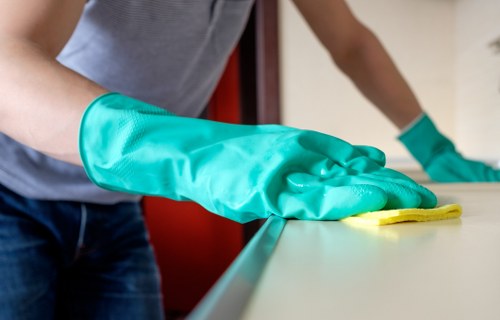
Commercial cleaning is closely linked to workplace health and safety. Germs and allergens can build up quickly in shared environments, especially where people touch the same surfaces throughout the day. Regular sanitization helps reduce the presence of bacteria and viruses, contributing to fewer sick days and a healthier workforce. This is particularly important in spaces with open seating, shared equipment, or high visitor traffic.
Air quality is another important issue. Dust, mold, and debris can collect in vents, carpets, and hidden corners, affecting comfort and potentially triggering allergies or respiratory problems. A thorough commercial cleaning routine addresses these issues through dust removal, vacuuming, floor maintenance, and proper waste handling. When cleaning is done consistently, the whole facility feels fresher and more breathable.
Safety also matters. Wet floors, cluttered walkways, and poorly maintained entry areas can create slip-and-fall hazards. Professional cleaning teams can help prevent accidents by keeping floors dry, removing obstructions, and maintaining safe public and staff areas. In many settings, this can significantly reduce liability and improve day-to-day operations.
Many businesses also prioritize green cleaning and low-toxicity products. These methods reduce harsh chemical exposure while still supporting a high standard of sanitation. For organizations that value sustainability, eco-conscious commercial cleaning can be a smart and responsible choice.
How Commercial Cleaning Supports Different Industries
Every industry has unique cleaning expectations. A one-size-fits-all plan rarely works well, which is why commercial cleaning services are often designed around the operational realities of each sector. By tailoring the process, businesses can maintain better standards and protect both people and property.
Corporate Offices
Corporate spaces need a balance of cleanliness and discretion. Cleaning often takes place after business hours so employees can work without interruption. Common priorities include workstations, shared kitchens, conference rooms, restrooms, and reception areas. In these settings, the goal is to create a polished environment that supports productivity and professionalism.
Retail and Customer-Facing Spaces
Retail environments rely heavily on appearance. Customers often judge the quality of a store based on its cleanliness, layout, and smell. Commercial cleaning in retail may focus on entryways, dressing rooms, display shelves, floors, restrooms, and windows. Frequent touchpoint cleaning is especially important in busy locations.
Healthcare and Medical Facilities
Healthcare spaces require strict sanitation to help reduce the risk of infection. Cleaning here must follow specialized procedures, often using hospital-grade disinfectants and well-defined protocols. Waiting rooms, exam rooms, bathrooms, and common areas all require extra attention. In these facilities, professional commercial cleaning is part of patient safety.
Education Facilities
Schools, colleges, and training centers see high traffic and frequent surface contact. Classrooms, cafeterias, restrooms, gyms, and hallways need consistent cleaning to support student and staff well-being. During busy seasons, additional attention to desks, lockers, and shared technology can help maintain a healthier learning environment.
Industrial and Warehouse Settings
Industrial sites need cleaning that supports safety, efficiency, and compliance. Dust, debris, spills, and residue can interfere with equipment and create hazards. Services may include floor scrubbing, degreasing, waste removal, and machine-area cleaning. Commercial cleaning in these settings must be practical, durable, and safety-focused.
Benefits of Professional vs. In-House Cleaning
Some businesses wonder whether to manage cleaning internally or hire professionals. In-house cleaning can seem simple at first, but it often comes with hidden challenges such as staff training, supply management, and inconsistent results. Professional commercial cleaning services bring experience, equipment, and systems that can produce higher-quality outcomes.
Professional cleaners are trained to work efficiently and safely. They understand how to handle different materials, follow sanitation standards, and complete tasks with minimal disruption. They also come equipped with commercial-grade tools and products that may not be available to an in-house team. This can improve efficiency and deliver better long-term results.
Another advantage is scalability. As a business grows, its cleaning needs often become more complex. Professional providers can adjust the scope of service without forcing the business to recruit, train, and supervise additional internal staff. This makes commercial cleaning a flexible solution for growing organizations.
In-house cleaning may still work for very small operations, but many businesses find that outsourcing is more practical and cost-effective. By comparing time, labor, equipment, and quality requirements, companies can make an informed decision that supports their operations.
What Makes a High-Quality Commercial Cleaning Program
High-quality commercial cleaning is built on consistency, communication, and attention to detail. A strong program should begin with a site assessment that identifies the building’s unique priorities. From there, the service plan should define what needs to be cleaned, how often, and according to what standard. This creates accountability and helps ensure a reliable result.
Training is another key factor. Cleaning staff should understand proper product use, safety procedures, waste handling, and task sequencing. Well-trained teams work more efficiently and are less likely to make mistakes that could damage surfaces or create hazards. Training also helps reinforce the importance of professionalism in customer-facing environments.
Communication matters too. Businesses should be able to share concerns, request changes, and receive updates when needed. Good commercial cleaning providers make it easy to adjust schedules, address special situations, and maintain clear expectations. This kind of partnership is valuable because it keeps the service aligned with the business’s changing needs.
Signs of a Strong Cleaning Program
- Consistent results across all service visits
- Clear task lists and cleaning schedules
- Attention to both visible and hidden areas
- Safe and appropriate cleaning products
- Responsive communication and reliability
SEO and Business Visibility Benefits of a Clean Environment
Although commercial cleaning is usually discussed in terms of hygiene and appearance, it can also influence business visibility in subtle ways. Search engines do not rank companies based on cleanliness directly, but a cleaner and safer workspace often leads to stronger customer satisfaction, better reviews, and more repeat visits. These business outcomes can indirectly support online visibility and reputation.
For storefronts, offices, and service businesses that rely on walk-in traffic, cleanliness can influence how long visitors stay and whether they return. A neat, fresh environment supports positive word of mouth. Customers are more likely to trust businesses that clearly care about presentation and maintenance.
Inside the workplace, cleanliness can support smoother operations. Employees who work in organized, sanitized spaces are often more focused and more likely to reflect positively on the company. Strong internal morale can lead to better service, stronger teamwork, and improved customer interactions. In that sense, commercial cleaning contributes to the overall brand experience.
Businesses that want to stand out often treat cleaning as part of their broader quality strategy. When combined with good operations, helpful staff, and a professional setting, commercial cleaning helps reinforce a dependable and trustworthy image.
Tips for Maintaining a Cleaner Workplace Between Services
Even when a business uses professional cleaning support, daily habits still matter. Staff can help preserve cleanliness by reducing clutter, wiping spills quickly, and keeping shared areas tidy. Small actions add up and make commercial cleaning visits more effective.
- Encourage employees to clean up personal work areas at the end of the day.
- Keep cleaning supplies available in break rooms and shared spaces.
- Post simple hygiene reminders in restrooms and kitchens.
- Use covered trash bins and empty them regularly.
- Address spills, stains, and messes as soon as they happen.
These habits do not replace professional service, but they do support it. The cleaner a facility stays between visits, the easier it is to maintain a high standard over time. Businesses that promote shared responsibility often see better results from their commercial cleaning program.
The Future of Commercial Cleaning
The commercial cleaning industry continues to evolve as technology, sustainability, and hygiene expectations advance. Businesses are increasingly interested in solutions that reduce chemical exposure, improve efficiency, and support better data-driven management. Tools such as advanced microfiber systems, electrostatic disinfection, and smart scheduling software are becoming more common.
At the same time, clients expect more transparency and reliability. They want cleaning plans that are clearly defined and service teams that can demonstrate quality. Eco-friendly products, reduced waste, and energy-efficient methods are also becoming more important, especially for organizations focused on sustainability.
As workplaces continue to change, commercial cleaning will remain essential to keeping spaces functional and welcoming. Whether a business is adapting to hybrid work, expanded customer traffic, or stricter sanitation standards, professional cleaning support will continue to play a central role. Companies that invest wisely now will be better positioned to meet future expectations.
Final Thoughts on Commercial Cleaning
Commercial cleaning is one of the most valuable investments a business can make. It protects health, supports safety, preserves property, and strengthens the impression a company makes on everyone who enters the building. From routine maintenance to specialized sanitation, the right cleaning program helps businesses operate more smoothly and present themselves with confidence.
By understanding what commercial cleaning includes, why it matters, and how to choose the right service approach, businesses can make informed decisions that benefit both people and performance. Clean spaces are not just more pleasant—they are more productive, more professional, and more resilient.
If your business is ready to improve hygiene, protect its image, and support a better working environment, contact us today to explore the right commercial cleaning solution for your needs. Book your service now and take the next step toward a cleaner, healthier workplace.