Deep Cleaning: A Practical Approach to a Fresher, Healthier Space
What Deep Cleaning Really Means

Deep cleaning is more than a quick tidy-up or a routine vacuum session. It is a thorough, room-by-room process that targets the buildup of dust, grime, grease, bacteria, and hidden debris that regular cleaning often misses. When people search for deep cleaning, they are usually looking for a level of cleanliness that transforms a space from merely presentable to truly refreshed.
Unlike surface cleaning, deep cleaning focuses on the areas that are easy to overlook: behind appliances, under furniture, inside cabinets, along baseboards, and around fixtures. It is the type of cleaning that helps restore order, improve indoor air quality, and create a more comfortable environment. For many homes and businesses, deep cleaning services are a smart way to reset a space after months of buildup.
People often associate deep cleaning with seasonal tasks, move-in or move-out preparation, or post-renovation cleanup. However, it is equally valuable as part of a regular maintenance plan. A thoughtful deep cleaning routine can extend the life of surfaces, reduce allergens, and make everyday cleaning much easier.
Why Deep Cleaning Matters for Homes and Businesses
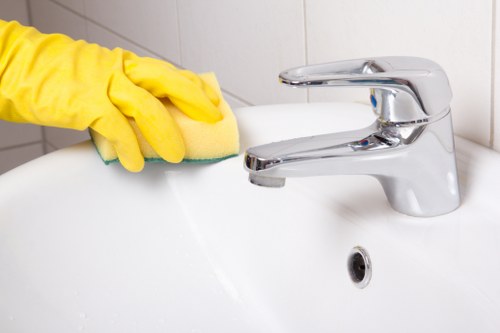
There are many reasons why deep cleaning deserves attention. In homes, it supports a healthier living environment by removing dust mites, pet dander, mold-prone buildup, and germs that collect in overlooked spaces. In offices and commercial settings, deep cleaning can improve presentation, support hygiene standards, and create a better experience for staff and visitors.
Another major benefit is the visual difference. A room may appear clean at first glance, but deep cleaning reveals how much residue can hide in corners, vents, grout lines, and textured surfaces. Once these areas are addressed, the entire space feels brighter, more organized, and more inviting.
It is also worth noting that deep cleaning helps protect investments. Floors, upholstery, countertops, appliances, and fixtures last longer when grime and buildup are removed properly. Whether you are focusing on a residential property or a workplace, regular deep cleaning services can preserve condition and reduce long-term repair or replacement costs.
Common Areas That Need Extra Attention
Some areas need deeper attention because they collect dirt faster than others. These are the spots that often benefit most from a structured deep cleaning approach:
- Kitchen appliances, including ovens, microwaves, and refrigerators
- Bathroom grout, tile, and fixtures
- Baseboards, door frames, and window sills
- Under beds, sofas, and heavy furniture
- Air vents, ceiling fans, and light fixtures
- Inside cabinets, drawers, and storage spaces
Deep Cleaning vs. Regular Cleaning
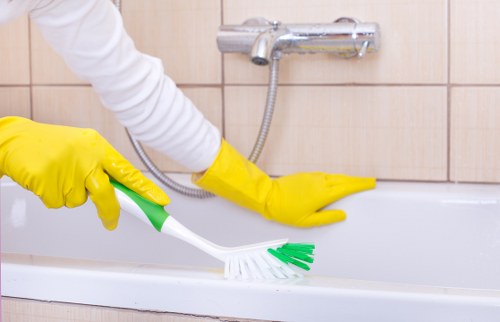
Many people wonder how deep cleaning differs from regular cleaning. The answer lies in depth, time, and purpose. Regular cleaning is about maintaining a tidy space on a day-to-day basis. It includes tasks such as wiping counters, sweeping floors, taking out the trash, and sanitizing common touchpoints.
Deep cleaning, on the other hand, goes further. It targets hidden dirt and buildup, often requiring more time, more attention to detail, and specialized products or tools. A regular clean may make a room look neat, while a deep cleaning session makes it feel renewed from the inside out.
For example, wiping the outside of a stove is regular cleaning. Removing grease from under burners, behind the appliance, and from the oven interior is deep cleaning. Both matter, but they serve different purposes. A balanced cleaning plan combines the two so that your space remains both attractive and sanitary.
Situations That Call for Deep Cleaning
There are many moments when deep cleaning is especially useful. These include:
- After a renovation or remodeling project
- Before moving into a new home
- When preparing a property for sale
- At the start of a new season
- After illness or increased household activity
- Following a long period of neglect or clutter
These situations often leave behind dust, residue, or hidden messes that standard routines do not fully address. That is why a deep cleaning service can be such a practical solution when the goal is a true reset.
How to Plan an Effective Deep Cleaning Session
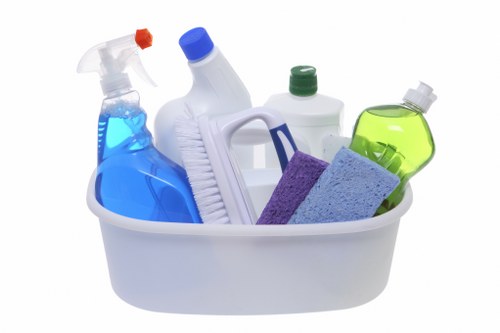
A successful deep cleaning session starts with planning. Without a clear order of tasks, it is easy to waste time or miss important areas. Begin by identifying the rooms or spaces that need the most attention. Then gather your supplies, set aside enough time, and work from top to bottom so dust and debris fall onto surfaces that have not yet been cleaned.
It is often helpful to break the process into sections. For example, you might dedicate one day to kitchen deep cleaning, another to bathrooms, and another to living areas or bedrooms. This method prevents burnout and ensures a more thorough result. If you are managing a large property or a commercial environment, professional deep cleaning services may be the most efficient choice.
Before starting, declutter each room. Removing unnecessary items makes every task easier and allows cleaning products to work more effectively. Once surfaces are clear, you can reach the dust and grime that would otherwise stay hidden.
Supplies That Make Deep Cleaning Easier
Having the right tools is essential for efficient deep cleaning. Useful supplies often include:
- Microfiber cloths
- Scrub brushes and sponges
- All-purpose cleaner
- Glass cleaner
- Disinfectant or sanitizing solution
- Baking soda and vinegar for mild buildup
- Vacuum with attachments
- Mop and bucket
- Protective gloves
Using the correct product for each surface helps prevent damage and improves results. For example, delicate countertops may require gentler solutions, while tile grout may need a more focused scrubbing method.
Room-by-Room Deep Cleaning Priorities
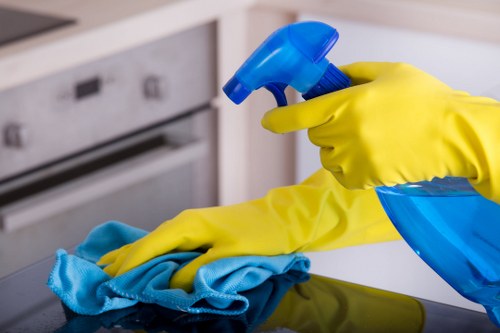
Different rooms have different cleaning needs, and a strong deep cleaning plan takes those differences into account. In the kitchen, grease and food residue are the main concerns. In bathrooms, soap scum, mineral deposits, and moisture-related buildup are common. In bedrooms and living rooms, dust, lint, and allergens tend to collect in fabrics, vents, and corners.
The key is to focus on what each room collects most. That way, deep cleaning becomes more strategic and less overwhelming. A room-by-room method also helps you track progress and stay organized.
Kitchen deep cleaning should include stovetops, backsplashes, appliances, cabinet fronts, handles, sinks, and hidden food particles under counters. Bathroom deep cleaning should focus on tile, grout, toilets, tubs, sinks, faucets, mirrors, and ventilation fans. Living room and bedroom deep cleaning often involves dusting shelves, washing soft furnishings, cleaning under furniture, and vacuuming baseboards and corners.
Kitchen Areas Often Forgotten
Many kitchens need attention in places that are rarely noticed during routine cleaning:
- Inside the microwave and oven
- Under and behind the refrigerator
- Cabinet tops and upper shelves
- Range hood filters and vents
- Sink drains and faucet handles
Addressing these areas can dramatically improve hygiene and reduce unpleasant odors. It is one of the clearest examples of how deep cleaning delivers results that surface cleaning cannot match.
Deep Cleaning Techniques That Deliver Better Results
The most effective deep cleaning techniques combine patience, proper products, and consistent attention to detail. Start by dusting high surfaces first so debris falls downward. Then move to walls, fixtures, furniture, and finally floors. This order reduces the chance of re-cleaning already finished areas.
For stubborn buildup, allow cleaning solutions to sit for a few minutes before scrubbing. This dwell time loosens grime and makes the job easier. In bathrooms and kitchens, focus on corners, seams, and joints where moisture and residue accumulate. Small detail work often creates the biggest visual improvement.
Steam cleaning, spot scrubbing, and vacuum extraction are also valuable methods in certain settings. Upholstery, carpets, tile, and hard floors may each require a different strategy. The best deep cleaning results usually come from matching the method to the material.
Deep Cleaning for Different Floor Types
Floors are one of the most visible parts of any space, and they are also some of the hardest-working surfaces. Proper deep cleaning depends on the flooring material:
- Tile: scrub grout and remove mineral buildup
- Hardwood: use minimal moisture and suitable wood-safe products
- Laminate: avoid excess water and harsh abrasives
- Carpet: vacuum thoroughly and consider shampooing or steam cleaning
- Vinyl: clean seams, corners, and textured areas
Health and Hygiene Benefits of Deep Cleaning
One of the strongest reasons to prioritize deep cleaning is health. Dust, pollen, pet hair, and other irritants can build up in carpets, vents, upholstery, and corners. Regular removal of these particles can help reduce allergy symptoms and support easier breathing, especially for people who are sensitive to indoor air quality.
Bathrooms and kitchens also benefit from better hygiene through deep cleaning. These areas are exposed to moisture, food, and frequent contact, which makes them more likely to harbor germs or unpleasant odors. A detailed deep cleaning routine helps reduce buildup and maintain a fresher, more sanitary environment.
In shared environments, such as offices or waiting areas, deep cleaning can support a more professional and comfortable atmosphere. When a space looks and feels clean, it naturally creates confidence and peace of mind. That is why many property owners schedule deep cleaning services regularly rather than waiting until problems become obvious.
Signs Your Space Needs Deep Cleaning
Not sure whether it is time for a deeper clean? Look for these signs:
- Persistent odors even after regular cleaning
- Visible dust returning quickly after dusting
- Grease or grime on appliances and fixtures
- Discoloration in grout or corners
- Cluttered or neglected storage areas
- Allergy flare-ups or stale indoor air
When these signs appear, a deep cleaning session can make a noticeable difference almost immediately.
When Professional Deep Cleaning Services Make Sense
Many property owners enjoy handling routine cleaning themselves, but there are times when professional deep cleaning services are the better choice. Large homes, busy households, commercial properties, and spaces with heavy buildup can require more time and effort than a standard cleaning schedule allows.
Professionals bring experience, equipment, and structured methods that help them clean thoroughly and efficiently. They know how to address difficult buildup, delicate surfaces, and hard-to-reach places without causing unnecessary damage. For busy families or managers, this can save valuable time and deliver a higher-quality result.
Professional deep cleaning services are also helpful before special events, after tenants move out, or when preparing a property for new occupants. In these cases, a detailed clean is not just about appearance; it is about making the space feel ready and well cared for.
How to Maintain Results After Deep Cleaning
After the effort of deep cleaning, maintenance becomes much easier. A few simple habits can help preserve the results:
- Wipe spills and stains quickly
- Dust high-traffic areas weekly
- Vacuum or sweep regularly
- Disinfect frequently touched surfaces
- Keep clutter under control
- Schedule periodic deep cleaning sessions
These routines prevent buildup from returning too quickly and help your home or workplace stay cleaner for longer. Deep cleaning works best when it is part of an ongoing plan rather than a one-time effort.
Deep Cleaning for Seasonal Refresh and Special Occasions
Seasonal changes are an excellent time to schedule deep cleaning. Spring cleaning often focuses on removing winter dust and reopening spaces with fresh energy. Before holiday gatherings, a detailed cleaning can help your home feel more welcoming. At the end of summer or the beginning of a new year, deep cleaning is a useful reset that supports organization and comfort.
Special occasions also create a reason to go beyond routine upkeep. Whether you are hosting guests, moving into a new property, or preparing for a major life change, deep cleaning can make the environment feel polished and well prepared. It is one of the simplest ways to improve the atmosphere without major renovations.
For businesses, seasonal deep cleaning can align with slower periods, inventory transitions, or facility maintenance. It keeps the workspace presentable and helps avoid the gradual buildup that can affect morale and customer perception.
Areas to Prioritize Before Events
Before guests arrive or a property is shown, focus on the most visible and high-impact areas:
- Entryways and foyers
- Bathrooms and guest washrooms
- Kitchen counters and appliances
- Living areas and seating spaces
- Floors, rugs, and baseboards
A targeted deep cleaning effort in these spots can dramatically improve the overall impression of a space.
Final Thoughts on Deep Cleaning
Deep cleaning is an essential part of maintaining a healthy, attractive, and comfortable environment. It goes beyond routine upkeep to remove hidden dirt, refresh important surfaces, and support better hygiene throughout the space. Whether you are handling the work yourself or choosing professional deep cleaning services, the benefits are clear.
From kitchens and bathrooms to offices and living rooms, every space gains value from detailed cleaning attention. The process helps protect surfaces, improve indoor air quality, and create a cleaner atmosphere overall. It also makes future maintenance easier, because a well-cleaned space is far simpler to keep in good condition.
If your home or business is ready for a reset, now is the time to act. Book your service now or contact us today to take the next step toward a cleaner, fresher space. A well-planned deep cleaning session can make a lasting difference you notice immediately.