Communal Area Cleaning: Creating Safer, Healthier, and More Welcoming Shared Spaces
Why Communal Area Cleaning Matters for Every Property
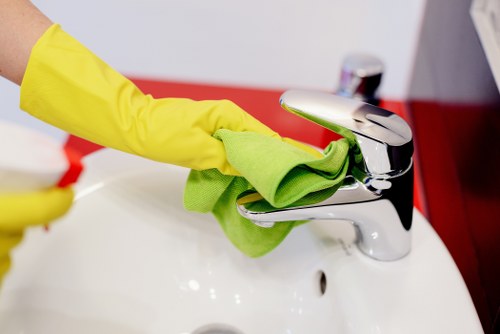
Communal area cleaning is one of the most important services for keeping shared properties attractive, hygienic, and comfortable. Whether it is a residential block, apartment complex, office building, housing estate, or mixed-use development, the condition of shared spaces shapes how people feel about the whole property.
When communal areas are cleaned regularly, residents, tenants, employees, and visitors notice the difference immediately. Lobbies look brighter, stairwells feel safer, lifts smell fresher, and hallways become more pleasant to use. In contrast, neglected shared spaces quickly gather dust, litter, mud, fingerprints, and unpleasant odours, which can create a negative impression and even affect health and safety.
For landlords, property managers, managing agents, and resident associations, communal area cleaning is not just a cosmetic task. It supports property value, tenant satisfaction, hygiene standards, and long-term upkeep. A well-maintained environment signals care and professionalism, while also reducing complaints and helping to extend the lifespan of fixtures and finishes.
What Communal Area Cleaning Includes

Communal area cleaning covers all shared parts of a property that multiple people use throughout the day. These are high-traffic spaces where dirt builds up quickly and where the standards of cleanliness have a direct impact on the experience of everyone inside the building.
Common areas usually include:
- Entrance lobbies and reception areas
- Staircases and handrails
- Corridors and hallways
- Lifts and lift doors
- Door handles, switches, and touchpoints
- Shared kitchens and break areas
- Communal bathrooms and washrooms
- Bin stores and refuse collection points
- Mail areas and parcel rooms
- Parking entrances and internal access routes
Depending on the property, communal area cleaning may also extend to external paths, shared terraces, glass panels, entry mats, and other frequently used spaces. The exact cleaning specification should match the building layout, occupancy levels, and usage patterns.
The Benefits of Professional Communal Area Cleaning
Improved hygiene and reduced germs
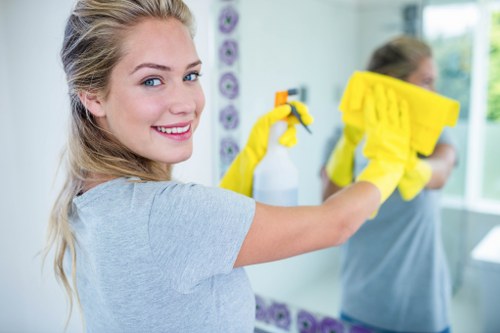
One of the strongest reasons to invest in communal area cleaning is hygiene. Shared surfaces can quickly become hotspots for bacteria and viruses, especially where many people touch the same areas every day. Door handles, elevator buttons, bannisters, and light switches are all examples of surfaces that need regular attention.
Professional cleaning helps reduce the spread of germs by using the correct products, methods, and frequencies. This is especially important in apartment buildings, offices, schools, and healthcare-related properties where public health considerations matter more than ever.
Clean communal areas also help reduce allergens such as dust, pollen, pet hair, and mould spores. For residents or employees with sensitivities, that can make a real difference to comfort and wellbeing. Cleaner shared spaces often mean fewer complaints, fewer risks, and a better daily experience for everyone.
Better first impressions and property presentation
First impressions are powerful. A spotless lobby, polished glass, and tidy hallways instantly communicate care and professionalism. On the other hand, an untidy communal area can make an entire building feel dated, poorly managed, or uncared for.
Communal area cleaning supports the visual presentation of the property and helps preserve its reputation. This matters for landlords seeking to retain tenants, letting agents marketing available units, and building managers aiming to keep occupancy high. Shared spaces are often the first thing people see, and they can influence how they judge the whole site.
In residential settings, clean communal areas also create a stronger sense of community. People are more likely to respect shared spaces when they see that the building is maintained to a high standard. That shared pride can encourage better behaviour and reduce littering or misuse.
Key Areas Included in Communal Area Cleaning
Entrances, lobbies, and reception spaces
The entrance is one of the busiest parts of any building, which means it collects dirt quickly. Mud, leaves, rainwater, fingerprints, and litter all accumulate here. Regular communal area cleaning in entrance spaces typically includes sweeping, vacuuming, mopping, dusting, and sanitising high-touch points.
Reception areas may need additional care, especially where there are glass surfaces, chairs, counters, or decorative features. Keeping these areas clean helps create a polished welcome for residents, guests, and visitors.
Stairwells, corridors, and landings
Staircases and corridors are often overlooked, yet they are among the most heavily used parts of a building. Dust, cobwebs, scuff marks, and debris can build up fast, especially in multi-storey properties. Regular cleaning of these areas improves both appearance and safety.
Handrails, balustrades, skirting boards, and corners should all be addressed because these are surfaces where dust and grime settle. A good cleaning plan will also include spot-cleaning marks on walls and doors, as well as checking for any waste left behind.
Lifts and lift lobbies
Lifts are high-contact zones and require careful cleaning. Buttons, door edges, panels, mirrors, and interior walls are all frequently touched and should be cleaned using appropriate products. Lift lobbies also benefit from routine attention, particularly in buildings with heavy foot traffic.
Because lifts are used by many different people throughout the day, communal area cleaning in these spaces helps maintain both hygiene and presentation. It also gives residents and visitors confidence that the building is responsibly managed.
How Communal Area Cleaning Supports Safety
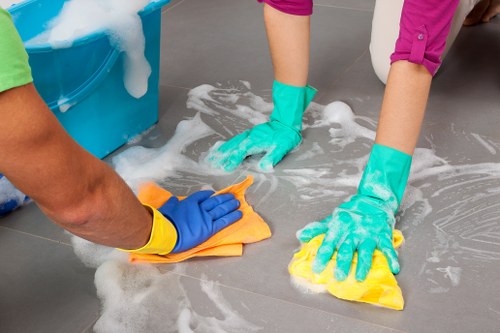
Cleanliness is closely connected to safety. Spilled liquids, loose litter, dust, and debris can all create hazards in shared areas. A dirty staircase can contribute to slips and trips, while clutter in hallways can block escape routes or make access difficult for people with mobility needs.
Communal area cleaning helps reduce these risks by keeping surfaces clear, dry, and visible. Staff or contractors can also identify maintenance issues early, such as broken lights, damaged flooring, water leaks, or blocked exits. In this sense, cleaning becomes part of a wider safety and inspection process.
For buildings that see a lot of visitors, such as offices, student accommodation, or mixed-use developments, this extra layer of care is especially useful. Good cleaning practices contribute to orderly spaces where people can move around confidently and safely.
Residential Communal Area Cleaning
Why shared living spaces need regular care
Apartment blocks and housing estates depend heavily on effective communal area cleaning because many residents share the same entrances, hallways, staircases, and external access points. Unlike a private home, these spaces are exposed to constant use and varying levels of foot traffic.
Residents expect clean surroundings, especially when paying service charges or management fees. A consistent cleaning schedule helps ensure that all residents benefit equally from a hygienic and well-kept environment. It can also prevent disputes by setting clear expectations around standards and frequency.
Residential cleaning often includes bin chute areas, bike stores, post rooms, and shared amenities. These spaces can become untidy quickly, so a structured routine is essential. For buildings with families, pets, or frequent deliveries, the need for regular cleaning is even greater.
Managing expectations in apartment buildings
In apartment settings, it is useful to define exactly what is included in the cleaning specification. That may involve daily, weekly, or periodic tasks depending on the size and use of the building. A clear schedule helps residents understand what to expect and ensures contractors deliver consistent results.
Many property managers also value reporting systems that highlight issues such as damaged flooring, persistent litter problems, or overflowing bins. This creates a proactive approach to communal area cleaning rather than a purely reactive one.
Commercial Communal Area Cleaning
Supporting offices, business centres, and mixed-use buildings
Commercial buildings often contain a mix of staff, clients, contractors, and visitors. Shared areas such as foyers, corridors, washrooms, kitchens, and meeting spaces need regular cleaning to support productivity and professionalism. In these settings, communal area cleaning is part of the wider workplace experience.
Employees are more comfortable and focused in a clean environment. Visitors are more likely to trust a business that presents itself well. In addition, clean shared areas can support workplace morale and reinforce company standards.
Mixed-use buildings present unique challenges because residential and commercial traffic may overlap. Cleaning schedules should be designed to minimise disruption while keeping all communal spaces presentable throughout the day. Early morning, evening, or off-peak cleaning times often work best.
Where consistency matters most
Commercial communal cleaning tends to require consistency rather than occasional deep attention alone. That means the cleaning plan should cover routine maintenance as well as more intensive periodic work. Consistency is what keeps a building looking professional over time.
Choosing the Right Communal Area Cleaning Schedule
Daily, weekly, and periodic tasks
The best schedule for communal area cleaning depends on how busy the property is, what kind of spaces are shared, and what level of cleanliness is expected. A low-traffic building may only need certain areas cleaned a few times per week, while a busy block or office may require daily attention.
Typical task planning might include:
- Daily tasks: vacuuming, mopping entrances, sanitising touchpoints, removing litter, emptying bins
- Weekly tasks: dusting high and low surfaces, polishing fixtures, cleaning glass, washing stair rails
- Monthly or periodic tasks: deep cleaning, carpet shampooing, wall washing, strip-and-seal floor care
The right balance depends on actual usage. If residents regularly track mud into the building or if visitors use the entrance throughout the day, the schedule should reflect that reality. A flexible service plan is often the most effective option.
What to Look for in a Communal Area Cleaning Service
Experience, reliability, and attention to detail
When choosing a provider for communal area cleaning, experience matters. Shared spaces require more than a quick surface tidy. They need careful attention to detail, an understanding of high-traffic zones, and the ability to work consistently without disrupting residents or staff.
Useful qualities include:
- Proven experience with residential or commercial shared spaces
- Flexible scheduling options
- Clear task lists and service specifications
- Proper cleaning equipment and safe products
- Strong quality control and supervision
- Responsive communication when issues arise
A good provider should also be able to tailor the service to the building. For example, a luxury apartment block may require extra attention to presentation, while a busy office may need a greater focus on hygiene and touchpoint disinfection.
Why customisation improves results
No two buildings are identical. A one-size-fits-all approach can leave some areas under-cleaned and others over-serviced. Customised communal cleaning ensures that resources are used wisely and that the service actually matches the property’s needs.
Common Problems Caused by Poor Communal Area Cleaning
Neglected shared spaces can lead to a range of issues. Some are obvious, such as visible dirt or overflowing bins. Others are less visible but still important, including odours, allergens, pest activity, and wear on surfaces.
Common problems include:
- Dust and dirt accumulation in corners and along skirting boards
- Smears on glass, mirrors, and polished surfaces
- Sticky floors or marks in entrances
- Unpleasant smells from bins or damp areas
- Damage to flooring from trapped grit and debris
- Negative complaints from residents, tenants, or visitors
Over time, poor upkeep can even reduce the lifespan of carpets, tiles, paintwork, and fixtures. That means the cost of neglect is not only visible but also financial. Regular communal area cleaning is a practical way to protect the property as well as the people using it.
Eco-Friendly Approaches to Communal Area Cleaning
Cleaner spaces with lower environmental impact
Many property managers now want communal area cleaning services that are effective and environmentally responsible. Eco-friendly cleaning methods can reduce the use of harsh chemicals while still delivering excellent results. This is particularly appealing in homes, offices, schools, and public-facing buildings.
Environmentally conscious cleaning may involve:
- Microfibre cloths and mops that reduce chemical use
- Low-impact or biodegradable products
- Refillable cleaning systems
- Targeted dosing to avoid waste
- Efficient equipment that reduces water consumption
These methods can support sustainability goals without compromising standards. They are also often better for sensitive individuals, especially where shared spaces are used by children, older adults, or people with allergies.
Clean, safe, and responsible is the ideal combination for modern property care.
How to Improve Communal Area Standards Over Time
Inspection, feedback, and continuous improvement
Keeping shared spaces in great condition is an ongoing process. Even with a strong cleaning schedule, it is important to review standards regularly and make adjustments when needed. Regular inspections help identify missed areas, high-wear points, and emerging issues before they become bigger problems.
Property managers can improve communal area cleaning outcomes by tracking recurring concerns, adjusting task frequencies, and responding quickly to seasonal changes. For example, winter often brings more mud, rainwater, and salt residue, while summer may require additional attention to dust and odours.
It also helps to educate residents or staff about their role in maintaining shared spaces. Simple reminders about rubbish disposal, leaving corridors clear, and reporting spills promptly can make a meaningful difference. When everyone contributes, the cleaning team can focus on keeping standards consistently high.
Why Communal Area Cleaning Is a Smart Long-Term Investment
Some people view cleaning as an expense, but in shared properties it is better understood as an investment. Good communal area cleaning protects surfaces, reduces complaints, improves hygiene, and supports the overall image of the property. Over time, these benefits can translate into stronger tenant retention, better resident satisfaction, and lower repair or replacement costs.
A clean shared environment also improves everyday life. People feel more comfortable when they enter a tidy building, use a fresh lift, or walk through a well-kept hallway. These may seem like small details, but they influence how a place feels and functions.
If your property has communal areas that are important to residents, tenants, or visitors, now is the time to make standards a priority. Contact us today to improve the look, hygiene, and safety of your shared spaces, or book your service now to keep your building looking its best throughout the year.
Well-planned communal area cleaning is one of the simplest ways to create a better environment for everyone who uses the building.